

Ukraine's reconstruction requires long-term private capital
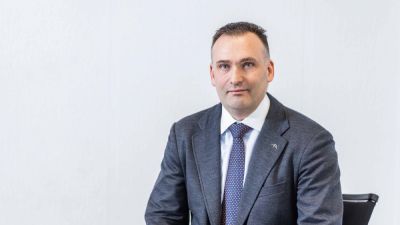
British-Ukrainian private equity investor Kateryna Tarasova argues that wartime Ukraine has become a “live laboratory” for European capital adapting to long-term geopolitical instability.
In her article for Kyiv Post, titled “Private Equity in Ukraine: Why Structural Volatility Is the New Normal for European Capital,” Tarasova writes that volatility is no longer cyclical but structural, reshaping private equity models across Europe.
According to Tarasova, discussions at the World Economic Forum in Davos increasingly reflected the idea that geopolitical instability has become “the operating system of the global economy.”
“If that is true, then Ukraine is not an exception. It is an early case study,” she writes.
Tarasova notes that traditional leveraged buyout models — common in London and New York — are difficult to implement in Ukraine due to limited access to affordable debt, extended exit timelines, and cautious strategic buyers.
As a result, private equity transactions in Ukraine increasingly rely on equity-heavy capital structures, longer holding periods, operational value creation, governance strengthening, and active board-level involvement.
“When leverage is scarce, value cannot be engineered — it must be built,” Tarasova states.
She further argues that rule of law and institutional predictability remain decisive factors in reducing risk premiums. Judicial independence, regulatory transparency and enforceability of shareholder rights directly influence discount rates and capital allocation decisions.
Tarasova concludes that Ukraine’s reconstruction will require long-term private capital prepared to operate under uncertainty, suggesting that European investors must adapt to a decade of structurally higher
Related News