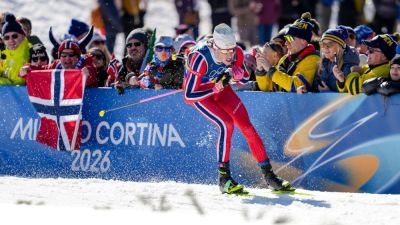


Wax on, wax off: cross-country skis can decide Olympic ambitions
DENVER, Jan 27 : For cross-country skiers at the Milano Cortina Olympics winning a medal does not just depend on having great skis, it is also about how those skis are treated and the team of people who know exactly what to do to create the optimal glide.
Fast skiing depends on a range of external factors: varying snow conditions, fickle temperatures and variable terrain. That means each athlete on the World Cup tour must travel across multiple countries with a truckload of Nordic ski equipment.
"A full-time World Cup skier usually has somewhere between 50 and 70 pairs of skis. Some athletes even break the 100-pair mark, which can work but it definitely adds a whole new layer of chaos," said Chris Hecker, one of the U.S. ski team's wax techs.
They are essentially a group of amateur physicists, meteorologists and craftspeople all bundled into one.
For U.S. athletes, the massive ski fleet is stored in Yolanda, a semi-truck that doubles as a waxing workshop and storage space, at times holding up to 700 sets of skis for the nearly two dozen Americans on the World Cup tour circuit.
One reason for all the equipment is that cross-country racers need specific skis for the two disciplines in their sport: skate and classic skiing.
Skate skis are set up for a side-to-side skating motion, akin to ice-skating. Classic skis, used for a kick-and-glide technique that is similar to running, are longer and have a grip section under the foot for traction.
Making the right decision for what wax to use on skis can be vital.
Knut Nystad, former waxing chief for Norway's ski team, discovered this the hard way during the 2014 Sochi Olympics, reportedly receiving a barrage of angry messages and fierce public criticism for the team's poor performance.
Related News