

Milano-Cortina Games are the most spread-out Olympics ever. What this means for fans and athletes
Milan Cortina 2026 are the most spread-out in Olympic history.
For the organizers of the Feb. 6-22 Games, it was a choice to use existing infrastructure as much as possible, but this means no central hub and strategic choices for spectators. The Games will span over 22,000 square kilometres.
Here is what it means in practical terms.
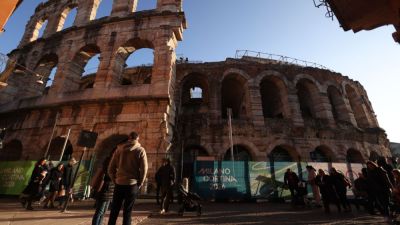
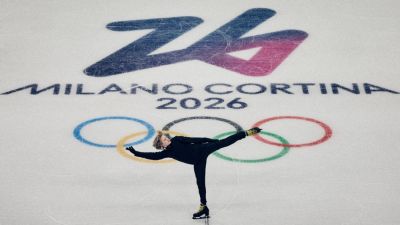
For any visitor to the Games, it would be extraordinary difficulty to see ice sports in Milan, men's Alpine skiing in Bormio, snowboarding in Livigno, cross-country skiing in Predazzo, biathlon in Anterselva and women's Alpine skiing in Cortina, before heading to the closing ceremony in Verona.
It's a circuit that covers over 850 kilometers and would amount to nearly 13 hours of non-stop driving.
Sprawling Olympic layout expected to become the norm
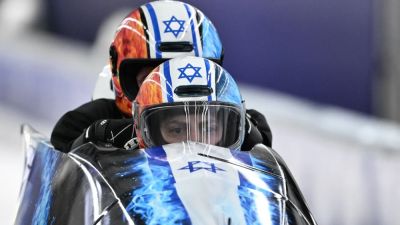
Organizers sought to take advantage of existing infrastructure but there's still been hiccups getting the Cortina sliding venue and the Santagiulia ice hockey arena in the city of Milan finished on time.
Spreading out the Games reduced the number of new structures, and allowed more areas in northern Italy to benefit from the investments and tourism that come with such big events.
But it also deprives the Games of one emotional center, meaning spectators must make hard choices about which events to attend, and athletes will have difficulty cheering on teammates in far-flung disciplines.
Mona Patel, a Los Angeles-based lawyer, and her partner worked out an itinerary months in advance to attend men's downhill skiing and snowboarding in the Valtellina cluster near the Swiss border, as well as bobsled and luge in Cortina d'Ampezzo.
They hope to catch skating events in Milan on the way in and out of Italy. If they pull it all off, they will have hit
Related News