

How this Indigenous mask from B.C. inspired the Seattle Seahawks logo
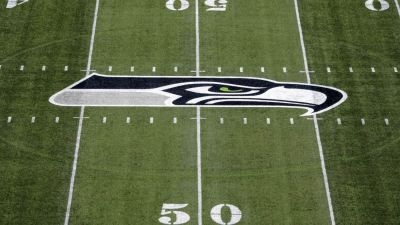
More than a decade ago, as the Seattle Seahawks were on the verge of their first of two consecutive Super Bowl appearances, Robin K. Wright’s art history students at the University of Washington became curious about the NFL team’s logo.
“My students had some sort of bizarre theories, they thought it was the Egyptian god Horus or equally funny things,” said Wright, now a professor emerita at the university’s school of art, art history and design.
The inspiration for the team's logo, she says, which consists of a profile of a raptor, is a transformation mask from the Kwakwakaʼwakw of northern Vancouver Island.
Wright says her longtime colleague Bill Holm, who was curator emeritus of Northwest Coast art at University of Washington's Burke Museum, once told her the logo is strikingly similar to a mask featured in the 1950 book Art of the Northwest Coast Indians by Robert Bruce Inverarity.
Wright noted that while Seattle is on Coast Salish territory, the mask is from the Kwakwakaʼwakw territory, a distinction likely lost on the designers.
“If they had done a little more research and had wanted some kind of Indigenous design from the Seattle area, they would have maybe gone for a Coast Salish design, but at the time the northern Northwest Coast style of art was much more prominent in the public's eye,” Wright said.
The Seahawks logo, which has been redesigned and streamlined over the years since it was unveiled in 1975, is familiar to football fans around the globe.
Days before the Seahawks won their first and only Super Bowl in 2014, Wright published a blog post about the apparent connection between the team's logo and the Kwakwaka’wakw mask. At the time, she didn’t know of its whereabouts and thought it could be with a
Related News