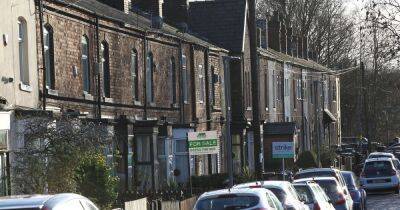


How does a rise in inflation affect house prices in the UK?
There are a wide range of factors that can affect house prices such as supply and demand, interest rates and the state of the economy. The rate of inflation can have an impact on the cost of a home, causing house prices to either increase or decrease.
The Office for National Statistics revealed yesterday (June 23) that UK inflation has risen again, and is now at the highest rate in 40 years. As the cost of living crisis has worsens, the statisticians reported that inflation rose from 9 per cent in April to 9.1 per cent in May.
As the price of goods and services rise, inflation can drive house prices up even higher. Due to inflation reducing the amount that people can afford to spend on a home, this can then cause potential buyers, especially first-time buyers, to be priced out of the market.
READ MORE: Cheapest one-bed flats and apartments you can rent in Manchester city centre
Along with inflation, UK house prices have increased significantly in the last year alone. The price of a property coming onto the market in May hit a fifth consecutive record with the average house price in the UK recorded at £368,614 by Rightmove.
This is 6 per cent higher than in May last year, and more than double the average house price in May five years ago.
With inflation at a 40-year high and expectations for it to climb above 10%, new research has found that the impact of the rising cost of living could delay first time buyers from saving for a deposit for a home in Manchester.
Online mortgage broker Mojo Mortgages analysed average house price data from Zoopla and salary data from the Office of National Statistics to assess the impact of a 10% reduction in savings due to inflation.
Looking at an individual in Manchester earning an average