

As World Cup knockout stage begins, enter the psychodrama of the penalty shootout
One ball. One player to kick it, another to try to stop it crossing a line 12 yards away.
The penalty kick in soccer is so simple. Yet, as one way of deciding the outcome of some of the world's biggest sporting events, it can be the difference between glory and failure.
As we enter the knockout rounds of another FIFA World Cup, the spectre of the penalty shootout tiebreaker hovers over every match — including Sunday's Round of 32 game between Canada and South Africa.
For the uninitiated, if a knockout game finishes in a draw after the regulation 90 minutes and a subsequent 30 minutes of extra time, five penalty kicks are given to each team. The team that scores the most wins.
This test of nerve in front of potentially hundreds of millions of spectators around the world can provide some of the most excruciating moments of tension sports has to offer.
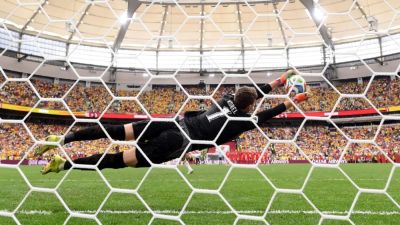
In doing so, penalty shootouts have created heroes — usually the goalkeepers who make crucial saves like Argentina's Emiliano Martínez in the 2022 World Cup final — and also tragic losers: the image of Italy's Roberto Baggio staring hopelessly at the ground after missing the decisive penalty in the 1994 World Cup final could have been sculpted by Michelangelo as the archetype of a fallen idol.
With so much at stake from such a simple game within a game, it's understandable that the science of penalty kicks has attracted an enormous amount of research. But when it comes to the intense pressure of the shootout, is the search for the perfect penalty in vain?
"It is loading a bullet into the chamber of a gun and asking everyone to pull the trigger," 1998 World Cup-winning French midfielder Christian Karembeu once said of the penalty shootout. "Someone will get the bullet, you
Related News