

What we think is true after Week 2 in college football - ESPN
You could say that college football college football'd particularly hard in Week 2.
A week after Tulsa walloped Oklahoma State, the Cowboys beat No. 6 Oregon by eight — Oregon was lucky to be even that close — while the Golden Hurricane nearly lost to Sam Houston. After losing by two scores to Idaho State last week, Utah State came within a successful Hail Mary of beating Washington. Cal visited Syracuse with a minus-21 point differential for the season versus Syracuse's plus-63; the Golden Bears won. After humiliating Clemson, LSU found itself leading Louisiana Tech by only six late in the third quarter before accelerating.
Five teams — Florida Atlantic, Kennesaw State, NC State, Oklahoma State and Utah State — have already both overachieved and underachieved against SP+ projections by at least 20 points in a game, while 10 have done so by at least 14 points. And the season is all of two weeks old.
The sport has already left us with conflicting impressions about nearly every damn team in the country. But if seemingly everything has already happened once this year, what has happened multiple times? What truths can we potentially start to glean from this odd sample and, frankly, odd sport? At the very least, here are a few things I've started to believe.
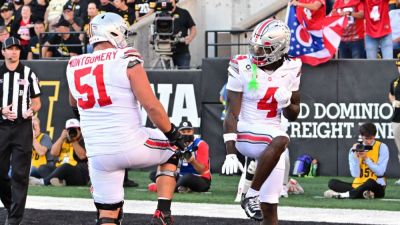
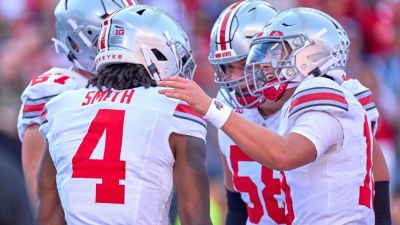
I keep coming back to tempo. It's probably a «me» thing at this point, but I can't get past it. In a world in which elite college football teams might play as many as 17 games in a season, Ohio State coach Ryan Day has made the decision to slow his offense down as much as humanly possible. And there's logic behind it: The difference between 60 and 80 snaps per game, over that many games, is over 300 snaps and, consequently, over 300 opportunities for injury or wear and
Related News