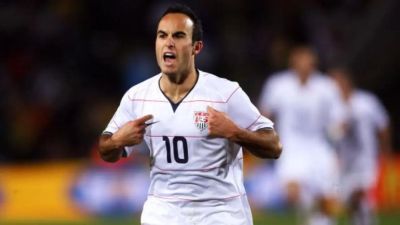


FIFA eyes World Cup format expansion from 48 to 64 teams: Should the US be the permanent host?
Brian Kilmeade presents data on the World Cup boom, showcasing record viewership and significant economic surges in host cities. Alan Rothenberg, founder of Major League Soccer, emphasizes the tournament's success and the emerging young talent in U.S. Soccer. Rothenberg believes this momentum will inspire a new generation of players, solidifying the sport's growth and competitive future in the United States.
After widespread complaints and consternation around the 2026 FIFA World Cup from European fans, commentators, and certain domestic sportswriters, there's no question that this year's tournament has been a gigantic, tremendous success.
The group stage alone set an attendance record for any World Cup, as fans from around the world traveled to the United States to see their teams play. Local fans turned out in full force as well, with neutral fans spending gigantic sums of money on tickets just to see the top level of international soccer.
Ratings have been massive, with the U.S. men's national team breaking records for most-watched English-language soccer broadcast during their loss to Belgium.
USA-BELGIUM BECOMES MOST-WATCHED SOCCER TELECAST IN US HISTORY WITH STAGGERING VIEWERSHIP NUMBERS
United States' Folarin Balogun (20) and United States' Christian Pulisic (10) stand by after Balogun received a red card during the World Cup round of 32 soccer match between the United States and Bosnia in Santa Clara, Calif., near San Francisco, Wednesday, July 1, 2026. (AP Photo/Martin Meissner)
One of the changes to the format in 2026 was the expansion to 48 teams from the traditional 32. While many purists were skeptical, for the most part, it's been viewed as a success. Though it limits the likelihood of a major tournament
Related News