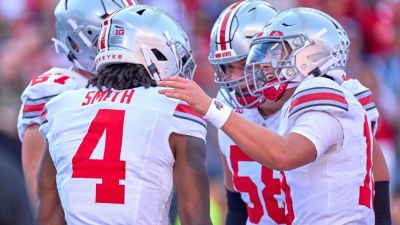


Explainer-Five things to know about the college sports bill that passed the US Senate
WASHINGTON, Sept 29 : The US Senate passed legislation this week to regulate college sports, a multibillion-dollar industry that has been upended in recent years by increased earning opportunities for student athletes.
Here are five things to know about the bill's passage:
WHAT JUST HAPPENED?
The Senate voted 77-22 on Monday evening to pass the proposal, which now heads to the US House of Representatives.
HOW WOULD IT CHANGE COLLEGE SPORTS?
The proposal would create national standards around student athlete transfers, eligibility and compensation for name, image and likeness use.
It would permit one school transfer "without losing or delaying eligibility to participate." A student athlete who transferred institutions a second time would be ineligible for one year aside from four exceptions including the departure of a head coach, sexual assault or harassment and the discontinuation of a sport.
Student athletes would also be limited to five years of eligibility with exceptions for pregnancy, religious missions, active-duty military service and a "serious athletic injury or medical condition."
The measure would protect student athletes' rights to NIL compensation and require disclosure of NIL deals that exceed $600.
IS IT CONTROVERSIAL?
The legislation includes several controversial components. For example, its national standards on transfers, eligibility and name, image and likeness deals would preempt state laws. More than 30 states have already enacted their own name, image and likeness laws.
The bill sidesteps one of college sports' biggest legal battles: whether the athletes should be classified as employees rather than students participating in extracurricular activities.
The proposal allows athletes to sue to enforce its
Related News