How the Red Wings are managing the chaos this season - ESPN
All the Detroit Red Wings wanted was puck drop on a new season.


Players.bio is a large online platform sharing the best live coverage of your favourite sports: Football, Golf, Rugby, Cricket, F1, Boxing, NFL, NBA, plus the latest sports news, transfers & scores. Exclusive interviews, fresh photos and videos, breaking news. Stay tuned to know everything you wish about your favorite stars 24/7. Check our daily updates and make sure you don't miss anything about celebrities' lives.

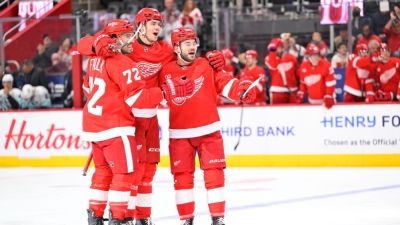
All the Detroit Red Wings wanted was puck drop on a new season.

Oct 21 : Sweden is examining whether it can refuse visas to Russian and Belarusian athletes seeking to compete in international sporting events on its soil, the country's migration minister told Reuters on Wednesday, potentially blocking competitors cleared to take part by their governing bodies.
Vancouver Rise FC has parted ways with its first-ever hire, sporting director Steph Labbé.
Though most of the world's best curlers have already been on the ice for weeks, the heart of the 2026-27 season began yesterday as the first Grand Slam event, the Co-op Invitational, got underway in Victoria.
Oct 9 : Liverpool will be without Alexander Isak and Cody Gakpo for Sunday's heavyweight Premier League clash with leaders Manchester City at Anfield, manager Andoni Iraola said on Friday.
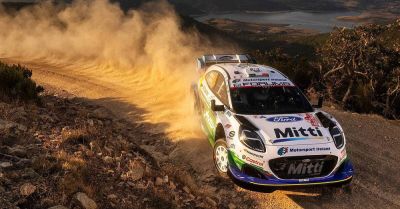
In the most dramatic of finishes in the World Rally Championship, Welsh driver Elfyn Evans clinched his maiden WRC Drivers' title that appeared to be slipping from his grasp until three corners from the finish of the final and deciding stage of Rally Italia Sardegna where his title rival Sweden's Oliver Solberg lost time with an off-road excursion.
Oct 4 : Elfyn Evans ended years of heartache, and a quarter-of-a-century wait for Britain, by finally winning the World Rally Championship (WRC) title with Toyota after a dramatic season finale in Sardinia on Sunday.
Oct 2 : World Rally Championship leader Elfyn Evans trailed his rivals but kept on course for the title after the first full day of the decisive season-ending Italian round in Sardinia on Friday.